

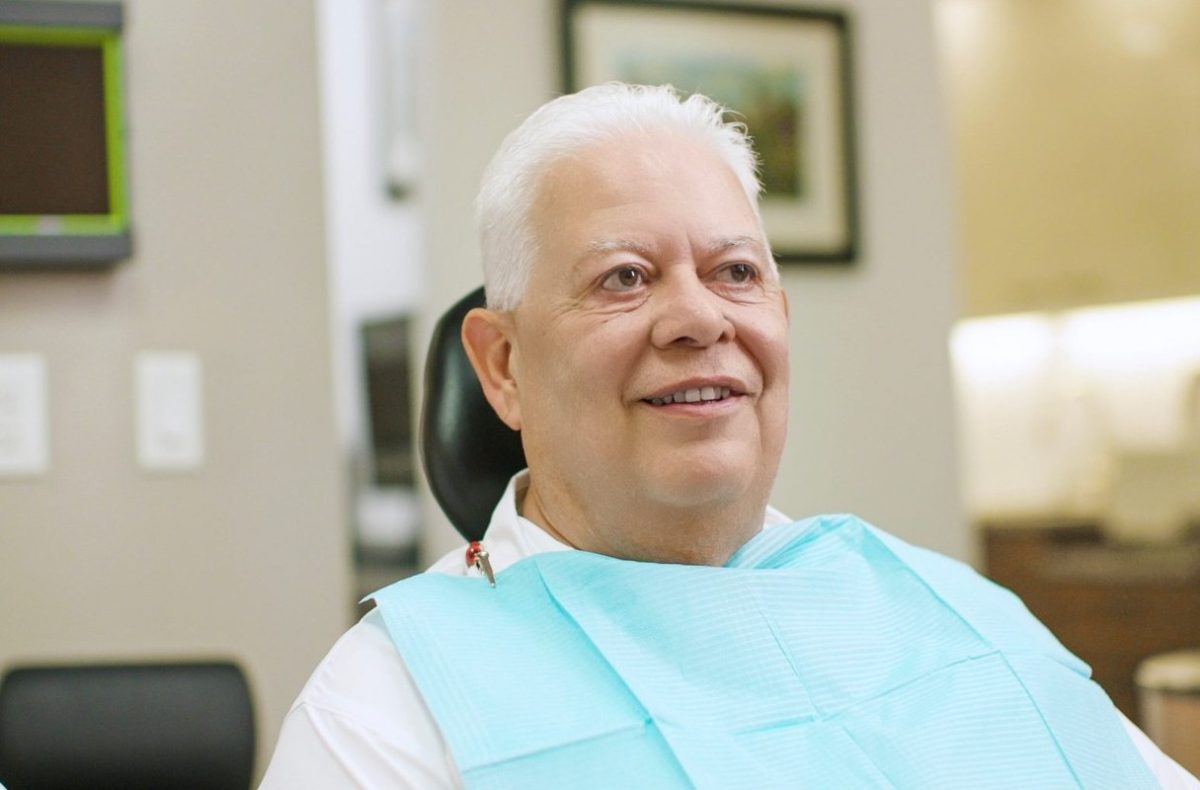
A dentist usually orders a 3D CT scan when a flat X-ray can't show enough, such as before implant surgery or when a problem hides in the bone. Our dentists in Cooper City, FL use 3D CT X-rays for those cases and keep routine visits to standard imaging.
Here's what you need to know about when a 3D scan makes sense.
What a 3D Scan Shows That a Flat X-Ray Can't
A regular dental X-ray gives a two-dimensional picture, so structures can overlap. A cone beam CT machine rotates around your head and builds a three-dimensional image instead.
According to , that single scan can show teeth, soft tissues, nerve pathways and bone. Your dentist can turn the image and view it from any angle.
Planning a Dental Implant
Dental implant planning is the most common reason for a 3D scan at our office. At the consultation, our dentists review your health history and take imaging such as X-rays or 3D scans.
The scan helps show bone density and nearby structures before a titanium post goes in. If there isn't enough bone, a graft may come first.
Weighing the procedure? This look at whether a single-tooth implant is worth it covers the long-term view.
Other Times a 3D View Helps
The FDA lists several other uses for dental cone beam CT, including root canal diagnosis, abnormal teeth and dental trauma. Our technology page also notes its value in orthodontics and complex cases.
For example, if you're wondering about the signs you need a root canal, most cases start with standard X-rays. A 3D view may help when the cause of the pain is harder to pin down.
Why It Isn't Part of Every Checkup
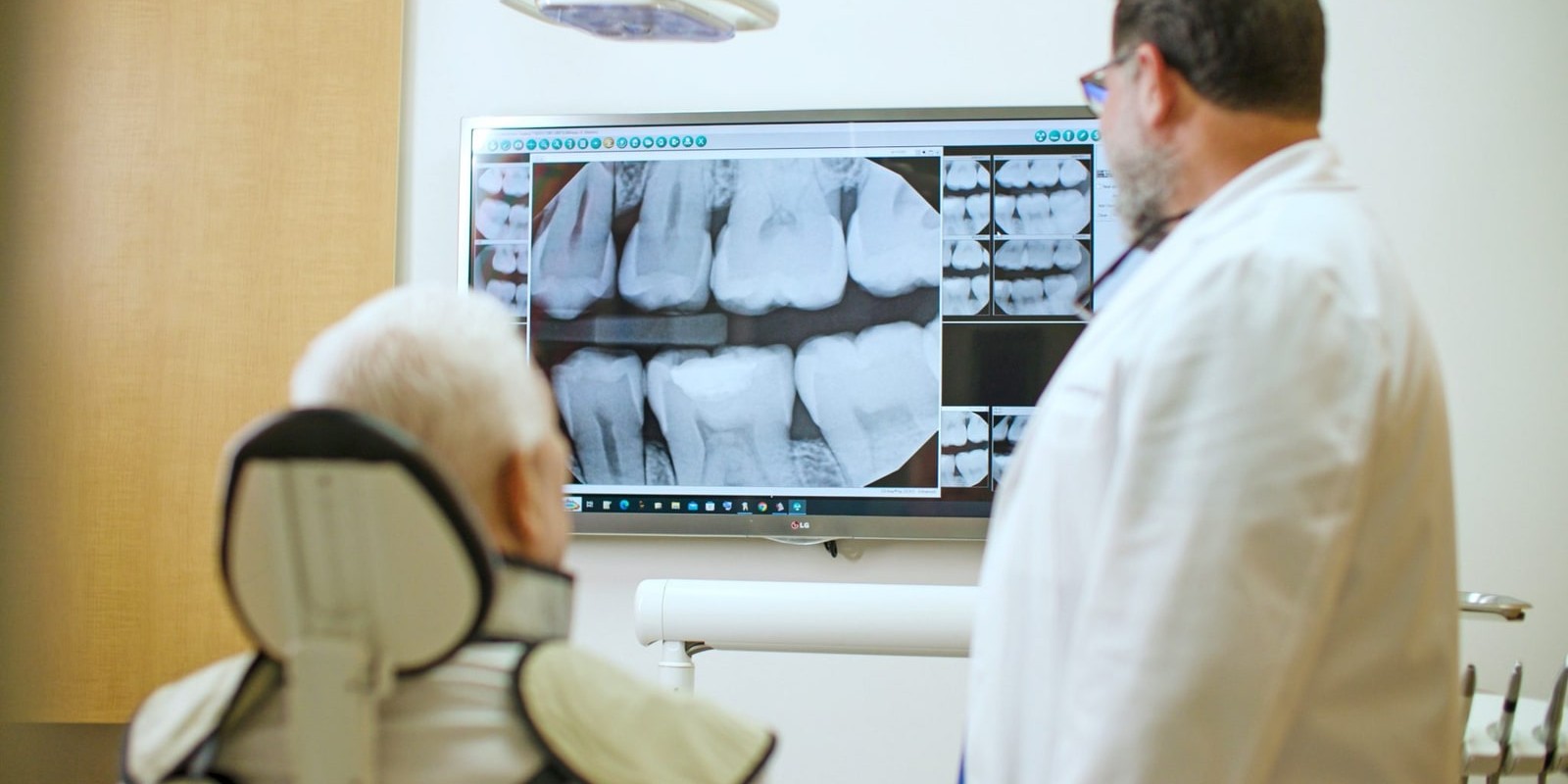
The notes these scans usually deliver more radiation than conventional dental X-rays, though less than other CT exams. The FDA and ADA recommend dental imaging only when it's needed for diagnosis or treatment.
The adds that how often you need imaging depends on your oral health, age and risk. For routine checkups, our office relies on intraoral digital X-rays, which capture detailed images with minimal radiation.
What the Scan Feels Like
The scan is painless and needs no special preparation. You stay still while the machine circles your head.
RadiologyInfo notes that a scan of one area often takes less than 10 seconds, while a full scan of the mouth takes about 20 to 40 seconds. You can go back to normal activities right after.
Questions Worth Asking First
The FDA encourages patients to ask why a scan is needed and whether an exam with less radiation would answer the same question. It's a fair conversation to have before any imaging.
Ask how the results will change your treatment plan, too. If you're also considering aligners, here's how clear aligners move teeth once the planning is done.
Frequently Asked Questions
How should I prepare for a dental CT scan?
Very little preparation is needed. Before the scan, you may be asked to take off jewelry, glasses, hairpins, hearing aids and any removable dental work so they don't interfere with the image.
RadiologyInfo also advises telling your dentist if there's any chance you could be pregnant. Bring your removable dental work with you, since your dentist may want to look at it too.
What imaging is part of a new patient exam at your office?
A new patient exam at our office includes bitewing X-rays and a panoramic radiograph, along with photographs. A 3D scan is not a standard part of that first visit.
After the exam, our dentists go over their findings and show you the X-rays and photos. You're encouraged to ask questions about anything you see on the screen.
Is the iTero scanner the same thing as a 3D CT scan?
No, they do different jobs. The iTero digital scanner takes precise 3D images of your teeth and bite in place of messy impression molds, and it's often used for Invisalign treatment.
A 3D CT scan is an X-ray that looks beneath the surface at bone, roots and nerves. Our Cooper City office uses each one for the planning step it fits best.
Who reads the results of a 3D scan?
Your dentist, an oral surgeon or a radiologist reviews the images. They may talk through the results with you directly or share them with the dentist who referred you.
Because one scan produces many views, your dentist can rotate the image to show you exactly where a tooth, nerve or area of bone sits. Feel free to ask for that walk-through.
Should I keep track of the scans I've had?
Yes, keeping a simple record of your dental and medical imaging is a good habit. It helps your care team avoid repeating an exam you've already had recently.
The FDA recommends that patients keep a record of their imaging history and share it when a new exam is suggested. Let our team know about any recent scans from another office.
Schedule Your Next Visit
A 3D CT scan is a planning tool, not a routine test, and our dentists use it when it can answer a real question about your care. Our family dentists will explain why any imaging is recommended.
You can also browse our full list of dental services.
Call Cooper City Family Dentistry today at (954) 252-8257 or request an appointment online.